The Amazon logo – A history lesson in re-branding

There are many companies who have fully nailed the online world and all the opportunities that it brings, but there’s one giant that even those living under a rock know about. In fact, they probably bought the rock from said giant! 

Amazon.com is the ecommerce giant that sets the benchmark and sells almost everything you can possibly imagine. Do you remember the dawn of the internet when critics said that we would never buy clothes or food online? And yet here we are in 2024, in a time when buying those online is actually safer, more pleasurable (most of the time), and 99.9% more likely to save you a bit of extra cash thanks to how easy it is to compare competitors.  

Amazon carved the way for the online convenience shopper but at the start, they weren’t about “Everything from A to Z” at all. So, how have they undergone such a massive change, and where does rebranding, and the Amazon logo fit into all of this? 

The Amazon rebranding: A story from the history books

Do you remember? Amazon.com was actually an online bookstore; we know, you’ve gotta cast your mind way back to remember that as it seems like a distance memory nowadays. Books are all they sold. One of the reasons that Amazon is the giant that it is now though is that Jeff Bezos and team saw the change in the web and adapted and kept on adapting. 

Online book sales weren’t a bad gig, either. In just the first two months, Amazon grew to sales of $20,000 a week! Not exactly to be sniffed at, eh? But Amazon boss Jeff knew what he had to do, and that was to reinvest his profits into his company, and continually adapt it. 

This adaption meant continually rebranding too. If you’re changing your offering or attracting new customers then your front of house, your brand, and your marketing needs to change too. 

Amazon are a master at this and since their humble beginnings in 1994, Amazon have not only changed their name, they’ve also rebranded and changed their Amazon logo a whopping six times… and we’re not talking Cadbury’s level brand tweaks here. 

Logo 1 – Earth’s biggest bookstore

The first logo is far from the tech giant’s image today. As an online bookstore taking its name from the world’s largest river, Amazon’s tagline was “Earth’s Biggest Bookstore”, and the logo was symbolic to the Amazon River with a water filter over the top. 

The first logo is awful by today’s standards (sorry, Jeff) but given the tools and software available then it’s about what you’d expect. Keeping it like that though would have been a failure… one Jeff and team didn’t make. 

Logo 2 – Amazon.com
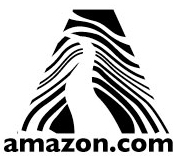
In 1997, right in the middle of the dot.com boom, Amazon opted for a more digital, clean look and feel to their logo. The water went, the colours became just black and white to reflect the simplicity of digital, but the A with the river running through it stayed. 

It wasn’t quite there yet but at the time it was a vast improvement on a fairly dated logo and brand design. 

Logo 3 – “O… I see it now!”

Just a year later in 1998 the logo got a complete makeover and quite the face lift. The river went and orange was added to the colour pallet to give a focal point in the middle of ‘Amaz’O’n.com’ logo. It was still an important thing to be a “dot com” so the logo kept that alive but moved it into the main logo instead of a tagline. 

It was certainly a more modern version, but it lasted just one more year before yet another change! 

Logo 4 – swish design, Jeff

The big change in late 1998 was the lowercase font. It was a big change and one that’s lasted until today. It became friendlier with the lowercase approach and the orange swoosh under the logo looked more creative than formulaic; another step away from the very 90’s, digital design. Amazon was evolving and so was their brand. 

Lowercase made the brand more accessible to all (over the more stark and sharp upper case ‘A’) and it reflected the approach to the marketplace that Amazon has always had – it’s Everything from A to Z, for everyone. 

Logo 5 – easy and A to Z

At the turn of the new century Amazon’s logo had a genius rebrand and one that’s stuck with us right up to the current logo. “Everything from A to Z” is a great way to explain what your eCommerce store does but moving the orange swoosh to run from ‘a’ to ‘z’ on the logo and creating a smiling, friendly arrow are jedi level design skills! 

Alongside logos like FedEx, that hide a subliminal message in their logo, Amazon moved into the big-time logo game! 

Logo 6 – Just amazon

Much like your grandparents or those older business folks who still read out the www. when sharing a web address, Amazon knew that they no longer needed to tell people how to find them. Not only were they so big in 2012 that they were a household name, but they also knew that we searched on Google and didn’t type the address in anymore. 

So, the logo simply became ‘amazon’ with the “a to z” swoosh and arrow in place. It’s a soft, approachable, simple and efficient logo which perfectly matches the experience on their online store. 

“One click and you’re done” needed a simple front end, and this latest and final logo design gave them just that

What can we learn from the Amazon rebranding? 

From 1994 to 2020 Amazon have certainly seen some change. The dot.com crash, the recession of 2008, the mobile internet boom… and they’ve grown each time… and rebranded to match. 

Even during lockdown in 2020 Amazon had to change. They made vast changes to their warehouses and systems and proved once again that they will adapt and grow despite what happens in the marketplace. 

So, what is the takeaway of all of this? When your business goes through a major transformation—whether you’re shaking up what you offer, targeting a new crowd, or going big and rethinking your entire mission—rebranding steps into the spotlight. It’s not just slapping on a fresh coat of paint; it’s your way of shouting to the world, “Hey, we’re evolving!”, and signalling to customers that you’re adapting to their needs and staying ahead of the curve.  

Is it time for your business to rebrand? 

Thinking of having rebranding just like Amazon’s rebrand but feeling pretty overwhelmed about how to go about it? Good news, that’s what we’re all about! We can help guide you through a business rebrand from beginning to end. What are you waiting for? Say hello today and let’s work together to help your business stand out and shine online. 

What effect has COVID-19 had on branding?

Well 2020 certainly threw the rule book in the air, didn’t it? At the time of writing this it feels like the most surreal spring and summer ever experienced. With holidays cancelled, families quarantined, and shops about to apply a compulsory mask guidance/rule – 2020 will leave its mark on the history books and blogs for some time.

But what effect has it had on the world of brand? Clearly, it’s affected almost every part of life in far reaching parts of the world, so it must have affected branding, right? Well, yes it has and, in some ways, it’s changed brands and what they mean to people, but for others, it was actually just business as usual… allow us to explain.


Covid-19 has been a very reactive time, but that’s normal for brands

For most brands, there has been the need to shift the message and avoid any faux pas that might get them in the press and viral on social media for all the wrong reasons. It’s a very emotional time and anyone who’s shared their thoughts about lockdowns or viruses on social media will testify to that!

Brands have had to rethink fast and they’ve had to consider new topics like social distancing, hygiene, and the lack of social gatherings in their content and messaging. Covid-19 changed our way of life so it changed the message that responsible brands needed to put out.

But was it that drastic? Well, apart from brands like VW and McDonalds separating their logos for a short period, it wasn’t really that drastic. Brands are used to changing their output to match the trending topics and new narratives. It’s the staple diet of successful brands.


Affected it currently, but not forever

Of course, Covid-19 affected brands. From TV ads to YouTube videos, social media posts and billboards, brands matched the government messaging and tried to find and appeal to the feeling of the nation, world, and their customers. “In this together” was a Government slogan that some brands like Nike reinvented and used with incredible prowess and tone.
Nike tweeted, “Now more than ever, we are one team. #playinside #playfortheworld” back in March while tech giants Apple, Amazon, and Google pledged cash and support for those who needed it.

Did it change them forever? No, we don’t think so. The successful brands whether big or small have always been good at matching the tone and changing their content. Their core values and beliefs will have been matched to the moment more than they were changed by it.


The mass ‘pivot’ wasn’t major for everyone

“PIVOT!!!” was being shouted by nearly every online guru or business coach and many of the big brands faced huge change, especially in the food and beverage industry and of course events and tourism.

But although the upheaval was tough, it wasn’t major in the context of the wider picture for those brands we’re so used to seeing. Starbucks and Costa found a new love for Drive-thru, restaurants got onboard with UberEats and Deliveroo, and Amazon became the biggest toilet roll store in the world.

Not really a pivot, more a seasonal change.

There were no doubt many businesses born in lockdowns around the globe and those who bowed out, too. But it’ll return to some level of normality when we all get out the other side of this.


Many marketed more, which is also great news

The rush online when lockdowns came into play played perfectly into the hands of the online world. Ecommerce is now an essential not a luxury for many and having an online offering or service brought forward many ideas and projects sooner than planned.

Lots of businesses marketed more than normal, with more eyes on social media because fewer people were working and homes around the world were locked up, the online marketing needed a real push and that showed in many brands.


Some needed to respond, some avoided talking about it

There are always going to be winners and losers in times like these and in turn there are always going to be those more affected than others. Customer facing companies really needed to re-evaluate their message and signage, paid ads, and social media posts needed careful attention during a time that changed their customer interaction for the foreseeable future.

Brands saw this as an opportunity to build stronger links with their customers by showing that they cared and that they were in it with them.

The travel and tourism sector was hit hard by new lockdown restrictions. So, in the absence of travel, their marketing turned to inspiration rather than pledges to book villas and hotel rooms.

Airbnb offered images of stunning settings for free downloads in a bid to stay connected by cheering up their followers, for example.

Others remained quiet, and much like the slow response by Facebook to the BLM movement, this didn’t go unnoticed.


The socially distanced photos will one day be a distant memory

This won’t be a long-lasting effect for brands on the whole. In an interesting piece by Bynder, “… the majority of those surveyed (57%) take a more moderate approach, believing that COVID‑19 will have a lasting impact on branding and marketing, but it won’t be transformative.” – Bynder.com.

As the restrictions are lifted and the world goes back to work, school, and Burger King – the brand messaging will change.

It needs to though and so it will, just like it always has. A good brand knows that staying current and not ignoring what’s going on in the world is the place to be, even if (at times) it can be a tough ledge to walk.

Need help staying current and on top of your brand’s current affairs? Contact us now. We’re constantly reviewing and re-working the message for our clients… maybe it’s time we did it for you?

Bottling the lockdown creativity

PIVOT! If you’re a fan of iconic US sitcom Friends then the word ‘pivot’ probably conjures up an image of Ross handling a sofa up a stairwell.

More recently, the word ‘pivot’ most likely makes you think about businesses adapting or creating new offerings to move with the huge global change that lockdowns across the world have brought over the last few months

The world has erupted with ‘pivoting businesses’ and although the phrase is somewhat done to death now, you know what we mean when we say it. The positive thing about all this adaptation is that it’s pushed complacent businesses to make some changes.

It hasn’t just been SMEs which have had to scramble to make swift changes. Nearly all of us had to get used to remote working, online sales, and video meetings, including all the large corporates.

But with all this change and the 100s of 1000s of new offerings added into the mix, we started thinking;

“Wouldn’t it be great if you could bottle that lockdown creativity?”


Our backs to the wall…

A forced change can be a good change. For many businesses, and certainly the ones we’re talking to, they’ve finally got themselves properly online or added in that new IT infrastructure they kept meaning to arrange. The lockdown has moved the deadline to ‘now’ from the ‘never never’ list it had been on for years!

Those things languishing on the ‘online packages to do’ list got focused on, the marketing and branding suddenly came under the spotlight and lots of businesses were forced to be more creative than they were when they were comfortable.

It’s easy to become comfortable. Heck, we’re looking forward to a ‘comfort ledge’ after all this climbing, right? But we can’t stay there if we’re to improve and build on the businesses and organisations we’ve created.

What we really need to do is remember these times, and once a year, pretend we’re locked down and facing a global crash!


What you learn when you hit the canvas…

They say it’s not what you learn when you’re winning that counts, but when you lose. In every failure is a lesson, in every defeat is a learning to guide you in your next fight.

“It’s not how many times you get knocked down that count, it’s how many times you get back up.”

George A. Custer U.S. MILITARY

This virus was a battle. Even the politicians described it as such. We’ve all been battling, and in those battles we’ve been tested. Our business had to come out fighting, and in that fightback we learned new moves, new strategies, and even changed our shorts a few times!

It’s been tough… but we’ve learned a lot.

Imagine what you’ve learned in the past few months. Imagine learning and adding that to your business, brand, and marketing each year?


Recessions offer huge opportunity…

It’s well known in the business world that in a global recession lies a lot of opportunity and in this digital world – online now more than ever – it really pays to get serious about your brand and identity.

With the lack of ‘real life’ the internet has seen a huge increase in activity and those who took it seriously knew that this meant that their online marketing, social media, website, and content really mattered.

During a recession the best thing to do is go for it. Go loud, be proud, and shout your message from the roof tops (on brand, of course!).


Bottling the lockdown creativity…

You can create that lockdown feeling by planning ahead, setting large goals and building a brand that’s big enough and serious enough to complete those goals. Think about all the small challenges you had before lockdown and how you dealt (or didn’t deal) with them. It’s likely that because they didn’t post an immediate threat, other things that did took over.

During lockdown we’ve seen eCommerce side line projects be created in months and online offerings being created seemingly out of nowhere. You can do it when you have to. You can do it when you don’t fall prey to Parkinson’s Law.

Parkinson’s Law – work expands to fill the time available for its completion – meaning that if you give yourself a week to complete a two hour task, then (psychologically speaking) the task will increase in complexity and become more daunting so as to fill that week.

Ready to take that lockdown motivation and apply it to your brand or website? Give us a call or drop us an email now.

We’ll show you how you can take that inspiration from these pressurised times and explode it into the world!

Black Lives Matter: How the movement is affecting brands

2020 will certainly be a year to remember for huge shifts in the global conversation, stock markets, and the regular everyday lives of everyone we know. COVID-19 forced huge change for pretty much everyone on the planet. The death of George Floyd then captured the world’s attention at a time when almost nothing else could get through the news, social media or otherwise.

The Black Lives Matter movement seemed to mobilise overnight in the US and then all over the world, largely thanks to media and social media coverage, protests, and the subsequent activities that rose up across the globe.

It’s been humbling to watch it play out and it’s certainly making some BIG changes. We won’t speak about the political side on this blog, or the BLM organisation, but we will look at the impact the BLM movement has had on brands because there are some very important lessons for brands here.


Brands in conversation…

One area that really struck us was seeing the brands who shied away from the conversation altogether, and the brands who stood up and gave their support for the movement.

Race is an incredibly difficult and emotive subject to approach as a brand and we understand why brands like Facebook took longer than others to show their solidarity – because they wanted to get it right.

Facebook, who eventually changed their logo from blue to black, did then release a statement and offer support to the BLM movement. Some said that they should really have been on top of what was a viral social media conversation much sooner.

Twitter also pledged $3M to help BLM and YouTube update their policies and made a statement about the content they would allow on their platform.

Nike on the other hand got it right straight away. They were ahead of the conversation, too. Nike were at the centre of controversy with Colin Kaepernick back in September 2019 when he ‘took the knee’ during the national anthem before a big game. Nike backed him in a social media campaign some weeks after which caused opposing sides to burn their Nike apparel in protest.

Right after the George Floyd incident hit the news Nike nailed it again by changing their familiar slogan from ‘Just Do It’, to ‘Don’t Do It’.

Getting involved in a conversation like this is a tricky matter though, and with emotions running high, many opted to simply stay quiet. Do you think that if you get it right, you get it right? And if you don’t you risk a lot more than staying quiet?

Some brands chose to release information about how they intend to ‘do better’ with regards racism and employment, and many brands donated money to anti-racism organisations and pledged to support more black-led businesses.

Some brands shared their intention to move forward with a better understanding of how they can take action against racism in future.

Will that happen?

We guess we’ll have to see…


Re-evaluating the message

So much of what makes a brand a brand is what it stands for and the story behind its creation. We’re always talking about the core message, the beliefs, and backstory to a brand. So, it’s no surprise to us that some global brands are now in serious re-branding conversations as their, once trusted reputations, are now being questioned as the racism light is shone directly on them.

So much of what the BLM conversation is about lies in systemic racism, and much of the conversation is pointed to the ‘normalisation’ of racism and other areas like slave trade and elitism being celebrated in areas of education, arts, and brands.

Statues fell in the US and then in the UK because of this and now it looks like big brands will fall too unless they make some drastic changes. At the centre of the media frenzy right now are US brands Aunt Jemima and family favourite Uncle Ben’s, now owned by Mars.

Both brands feature a black person on their brand and all packaging. A black person as the face of the brand? This does seem like a good thing, right?

But, just like the story behind the slave trader statues, ‘Uncle’ was actually racist reference to slaves and one of the reasons that ‘Uncle Ben’ is no longer dressed as a waiter on the packaging is that this needed to be bought up to date, almost concealing the origin of the brand name.

Both brands need to move on and although they don’t really have a choice, the reasons behind that do make sense. You see, the thought behind the brand’s creation and the actions that created fame for the historic statues is a big issue for BLM.

Normalising it and allowing historic systemic racism to exist in our 21st century world makes no sense. It might not change the past, but it will shape the future. Why should we continue to tell the story and relive the racism, especially when so many were simply unaware where the brand came from in the first place?

We have plenty of black chefs and plenty of black people who’ve made a real impact on the world. Having them represent brands just as Colin Kaepernick did for Nike is where we need to head now. We should be celebrating their greatness as people, not celebrating people who oppressed them. That said, Nike’s leadership team has (or have?) been called out for being comprised of, yes, you guessed it, white people – mainly men.


Changing the channel of conversation

It’s certainly impressive what BLM have managed to do in a short space of time, especially during a pandemic. With social media graphics offered as overlays to social media profile photos and 650K and rising fans on their Facebook page, the Black Lives Matter movement isn’t over yet. It’s not just brands of clothing and social media platforms they’re impacting.

One on the main influencers for most of our lives has been the TV. This has now moved on from four channels and black and white, of course. Sites like Amazon Prime and Netflix have really taken hold of the attention of the masses.

So, what did Netflix do? They created a Black Lives Matter channel to offer content that helps you to, “Learn more about racial injustice and the Black experience in America with this collection of films, series and documentaries”.

With brands like Colgate-Palmolive now also in the frame due to their Darlie toothpaste (which is promoted as ‘Black Man toothpaste in the US’), this will continue to develop through the rest of 2020 and beyond, we’re sure. Some more reference:  Last week, personal care goods giant Colgate-Palmolive announced a review of its toothpaste brand Darlie, which is sold and marketed as “Black Man toothpaste” in China, Singapore, the Philippines, and several other Asian markets. https://observer.com/2020/06/colgate-review-darlie-black-man-toothpaste-in-china-amid-black-lives-matter/


A lesson for all brands…

Our final thought on all this (for brands anyway) is this.

Stay current. It’s really easy to fall behind the times and you can quickly fall out of favour. There are lots of rumours flying around about the origin of the creation of brands and global corporations right now and if you’re linked to slavery or systemic racism then it’s highly unlikely you’ll miss your day in the headlines.

Work out a strategy of being honest and ethical and act on it as well as talking about it!

But away from all the history of this incredibly complex and emotive topic are brands who simply need to understand that the values, beliefs and stories behind them matter, and if those values don’t resonate with their audience anymore, then they as a brand won’t matter anymore.

Should your brand be social distancing from its media?

These are unprecedented times. Anyone else sick of hearing that? It’s true though, right? These really are challenging times for us all and if you’re in business or running an organisation then it’s time to revaluate everything to make sure you successfully navigate the rocky seas ahead.

This crisis isn’t over, but we’re all getting ‘used’ to this socially-distanced world and almost – dare we say – we’re becoming more numb to the stats on social media and the news.

One large challenge for many of the big brands though has been how to handle the marketing and messaging during lockdown and for the near future. For some, it’s not gone that well and for some, there have been some big wins.

How do you play it? As always… with your brand at the centre of everything you do.


Branding: the DNA of your marketing

Here at Be Smart, before we begin to work on anything for a client, we go deep into their core values and beliefs and reasons for existing.

  • Why do you matter?
  • Why would anyone care?
  • Who are your audience and how will you communicate to them with your brand?

This is important. It’s essential to any brand and many of the large brands will have done this and re-done this over and over again. Every single touchpoint will be ‘on brand’ and in line with their core message and what they stand for.

During these unusual times we’re watching the big brands (and the small ones) grapple with the new normal and see how they apply their marketing to the ever-changing real world.

With social distancing, home schooling, furlough, loans, credit, and then the re-opening of the world, the trends on social media and the headline are all about one thing. Breaking through that noise needs to be carefully done.

We’ve seen some strong marketing messages from supermarkets. Morrison’s are benefiting from the “New renaissance of supermarket food” and marketing from Tesco has been focusing around the “Weekly shop”, something that we associate their brand (and others) with.

For supermarkets it’s relatively simple. We need them now more than ever and certainly at the beginning of lockdown were happy to buy from almost anywhere. In many instances the brand mattered little. But what they say and do now will matter… it’ll matter a lot. Most of them have done pretty well, even if none of their customers were that desperate to get an email from their CEO every week and there have been huge frustrations about getting deliveries and collections booked. The brands who quickly respond to new guidelines and put customer safety first will be seen in a more positive light.


Virgin forgot their brand values

One area that has been much harder hit is the travel industry. Unlike the supermarkets, they can’t do much trade, and they also can’t really do much about that for now.

Ryanair have had a lot of flak online for not cancelling flights until the last moment, delaying refunds, and upsetting customers. But that’s Ryanair… no one associates them with quality customer care, do they?

One aviation top gun that we do associate with care and quality though is Virgin. Part of Virgin’s core values are people:

“Our values are what keep our people, our products and our partners on the path to change business for good.”

So, when Billionaire Richard Branson requested government bailouts, it didn’t seem to align with their brand values. Neither did asking their staff to take eight weeks of unpaid leave! Those are both terrible messages for their brand and do nothing for their PR or trust in the brand on the other side of all this.

What does your brand stand for? Embed those value in your moves during Covid-19 lockdown, the unlocking process, and beyond. Brands who have shown their human and caring side will come out well.


VW and McDonalds separated their logos

One area of brand that many focus their attention on is the logo. Although a brand isn’t just a logo, it’s a huge part of a company’s visual identity. Aside from the rather expensive re-brand of Cadbury recently, there have been some changes to global brands to align their message with social distancing.

Both McDonalds and Volkswagen ‘separated’ their logos to show support for social distancing. They took apart their iconic symbols to reinforce the message that we should all ‘stay alert’ and distance for the time being.

Whilst this is a powerful message, we’re not sure that a family restaurant that is all about bringing people together should really be talking about ‘distancing’ and we don’t really think changing the logo is helpful.

Just us?

For some brands, it might just be better to say nothing at all?


Are you forgetting the purpose? Do you have one?

Whatever you do, remember your brand purpose.

What do you stand for? If you stand for your people, don’t lay them off without pay amidst a big furlough roll out. If you’re The National Trust then be careful spreading the word about “keeping the UK’s heritage and open spaces accessible” when, during lockdown, even the local parks are closed to the public!

It’s not always easy, but if you start at your brand purpose it’s far easier.

You don’t have a brand purpose? We really need to talk.

Both now and after lockdown is over, having a strong brand purpose and a set of values that you stand for makes marketing and branding decisions so much easier – and more fun!

How to come up with a brand name

We’re BIG fans of branding and the brand name could almost be argued as the most talked about and recognised part of a brand. Just like a logo, it’s not the only part of a brand, but it’s certainly the part that gets the most attention for many when they come to create their own brand.

If you’ve ever tried to come up with a brand name, then you’ll know how hard that is. You’ll also know how tough it can be asking people what they think of it and don’t even get us started on judge and trial by Facebook!

A brand name is an essential part of your brand but, just like the rest of the brand, it’s not about you – it’s about your audience.

Your brand has so much more to do that just nod to something you like or an old car you once had. No… that’s not where you start.

So… where do you start with a brand name? Well, these 13 points that we use are a pretty good place to begin. Let’s get into it…


1. Create the brief

Your brief will set the tone for your brand and help you create a solid brand name. A brief is like an ingredients list of everything you need to create the perfect name.

These could include (but are not limited to):

  • Company and product history
  • Information on your target audience
  • Consumer insights
  • Desired brand positioning
  • Competitors’ names
  • Words to explore and avoid.


2. Goal of assignment

What are you trying to accomplish with your brand? What’s the big picture of your company or project? Thinking about your end goal can give you a really great steer on the brand name. When you think about it, it has to be aligned to help you get there, doesn’t it?


3. Describe it in a nutshell

Try and sum up your brand or company in about 23 words (140 characters) or fewer. Keeping it succinct isn’t easy, but it does drive the creative juices and often forces you to use words that have deeper and secondary meanings. Try and create your brand description as a tweet and see what you come up with, you might be very surprised.


4. Brand positioning

This is paramount for a successful brand. Getting your brand in the right place in the marketplace will help it thrive or simply survive. Where do you want your brand to be positioned in the marketplace? What is it that your brand stands for and who is it calling out to?

Working out your brand positioning will help you deep dive into your entire brand and marketing plans.


5. Consumer insights

Consumer insights reveal peoples’ behaviours, as opposed to preferences. For example, when naming a coffee brand, think beyond what people like about coffee, but what circumstances lead them to enjoy a coffee in the first place.

  • Is it for enjoying socially with friends or for business networking?
  • 121 meetings with business connections?
  • Or a coffee with old friends?

Each requires a different message needed to market that coffee, don’t you think?


6. Target audience

Who are the customers you want to reach with your brand? And who are the competition? List them all out and see what you need to be saying and how your competition is saying it. The last thing you need to do is be like them. Why work hard on a brand that simply copies someone else, even inadvertently? That’s not the idea of a brand or what makes it a success.

List your competitors so you know what you are up against and to help you steer clear of similar names.


7. Desired brand experiences

The best brand names evoke a positive brand experience that makes a stronger emotional connection. What are you trying to create? Do you know? You should. Do some work on this area as it will really help you create a sense of realism with your brand and then enable you to see if it matches the experience that your ideal customer would or could want to go on. Emotions always run high in branding, so don’t forget to give them some close attention, too!


8. Brand personality

Who are you? Well, not you – your brand. Who is your brand? And what does it feel like as a personality? How would you describe it?

Write down and work on 5- 12 adjectives that best describe the tone and personality of your brand. This exercise will really help you form a personality and drive the look and feel of your brand and then your brand name.


9. Words to explore

And then – and only then – can you start to list some words down that you feel are right for your brand name. List some words you would like to have in your new name and then let them sit for a while. Sleep on them. Think about them. Maybe ask some trusted peers what they think of when they hear those words?


10. Themes/ ideas to be avoided

It’s also advised to create a list of ideas and words to avoid in your brand. Words have deep meaning and there will be many, many words that you could really do without in your brand name. What are they? Which words mean the opposite to the message and tone that you want to portray?

If you don’t know what they are yet, then maybe you found out in the step above? Be sure to find them though and avoid them in any brand name and in future if you can. Words are powerful, and not always in the right direction.


11. Domain name modifiers

Ah… disaster! The domain name for your beautiful new brand name has already gone. Now what? Well, you might not be able to get the exact domain name now, especially if you brand name has many different meanings (like domain does, actually). It’s likely to be taken, but don’t start again just because of this, use a domain name modifier.

There are loads out there, but here’s a really good round up of 120 domain name modifiers.


12. Name style likes and dislikes

This is a really fun exercise and will get your juices flowing.

List 5 brand names that you like the style of and note why that is. And then list 5 brand names that you really dislike the style of and why that is, too. You have to like your own brand. I know we said it’s for your audience and customers, not you, but let’s not create one we hate!

Work out what you like and dislike and then make sure you’re on the right path. This brand will be a labour of love, hating it won’t help!


13. Namestorming

And then the magic happens. We take everything we’ve done so far then head to Google, Thesaurus, the dictionary, and some agency tools that we use to build a list of names to put forward to the client.

We’ll work with a client on these and look to spin them and create words or phrases that would suit a brand name. It’s rather exciting and this is often where a brand name is born!


It’s not about you… but it’s all down to you…

As we said at the start, a brand name is a core part of your brand but just like the rest of the brand it’s not just about you – it’s about your audience too. Going through the above process really helps to get your focus in the right place and hopefully then create a solid brand name to align with your clients, your business, and the brand you then create with it.

Need some help with all this and the design that needs to be created next? Say Hello here and we’ll discuss all this and more.

Contact us now for a quote or a FREE review of your brand. You’ll get the friendliest response to your question, and we’ll get back to you as soon as possible.

Some of the most disastrous brand failures ever seen…

If you’ve read any of our Be Smart blogs before then you’ll know that we’re quite evangelical about the importance of branding. A brand is more than simply a name, term, design, or symbol, and we always say that your brand can make or break your business.

We’ve talked about typography, photography, colours, messages and more, and we’ve also talked about how you know when you need a rebrand. Making changes to a brand can have really powerful effects… but it can be catastrophic, too.

We want to show you a few examples that will illustrate our point.

Still not convinced about how powerful a brand is? Ask these five well-known brands what they think now!


New Coke

Coca-Cola is one of the most recognised brands in the world. The company is even said to have had input into the visual appearance of Father Christmas, a newer depiction of St Nicholas who was originally dressed in green and white.

The association is so powerful that now the (mostly American) phrase “The Holidays are coming” is now seen as the launch of the festive time, much like the ‘red cups’ in coffee chain stores.

But it wasn’t always plain sailing for Coca-Cola. In 1985 Coca-Cola changed their product to combat an increasing threat from the new, sweeter tasting Pepsi cola that had rebranded to attract a younger, trendier crowd. Coke changed their recipe, only testing it privately before the launch. before launching “New Coke” to the marketplace.

… it didn’t go well.

The core fan base of Coca-Cola didn’t agree that the taste was an improvement and sales plummeted! Coca-Cola sensibly stopped producing the new version, admitted publicly that they’d got it wrong and reverted back to the original taste. Instead they opted for a different approach to the competition with Pepsi. This serves as an example of why we need to be cautious when tampering with a well-established and already successful and popular brand.

Coke is still one of the strongest brands in the world, although the company currently sits at number 395 of the Fortune 500 whereas Pepsi Co is above them at number 154. It’s often argued that there’s little difference between the taste of both products, so this is largely a brand war rather than a taste war.

Lesson: Internal testing isn’t always as good as a real-life consumer test so be prepared to change when the market tells you that you got it wrong.


Betamax

Back in the 70s there were only three TV channels. That sounds unthinkable now! And back then recording TV was a very new concept. There were two very distinct options; Betamax and VHS.

One went on to win the battle and the other became a warning tale. The loser was owned by one of the largest companies in the world – Sony.

In 1975 Betamax launched into the marketplace with tapes that would only play in a Sony Betamax player. Betamax was a better quality tape recording and the brand had everything going for it, with even big film companies remarking on the quality of the product for home use.

But in 1976 a new technology was released in the marketplace. The inferior VHS technology shouldn’t have won the war but thanks to one very sensible decision, they did.

Sony refused to release the Betamax technology to other tech companies, meaning that Sony had the monopoly on the video recorders that you could buy. VHS, on the other hand, was licensed out and was used by four other manufacturers, so the market had more choice.

Betamax was actually better quality, but the market wanted choice and by 1982 just 25% of machines sold were Betamax, despite the brand name once being associated with video recording, just like Googling is to search now.

Lesson: Listen to the market and don’t appear selfish. Sony refused to license Betamax so others couldn’t create Betamax machines, a decision that would lead to the death of Betamax all together in the mid-80s.


Persil Power

Households everywhere all create one thing in piles – laundry! The weekly (or often daily) laundry pile is shoved into the washing machine and then plied with washing power, or at least it was.

Persil powder, Unilever’s flagship product and brand, was a household name in the 70s, 80s, and 90s but there was stiff competition, so Persil took drastic action.

Washing was measured in results. ‘Whiter than white’ was a term we all knew very well and the adverts on TV would nearly always show a family getting up to nonsense whilst rubbing in stains that would horrify any loving parent who just wanted a clean child for five minutes!

Persil created a powerful product called Persil Power, and in 1995 they pushed it out to market in a move that should have taken a huge market share. The product was rumoured to be the most powerful cleaning powder on the market.

But it turned out to actually be too powerful and it ruined clothes. Negative reports inundated Unilever and the press got hold of the story. Rival company Proctor and Gamble even started a campaign to highlight the flaw.

It was a brand disaster. Unilever removed the product from sale and eventually scrambled to replace to product with the new ‘Persil New Generation’, but the brand damage and top-level damage cost an estimated £200M.

Lesson: Your products’ quality can ruin your brand trust and that in turn can ruin your profits.


Ratners Group

Gerald Ratner started working for the family-owned jewellers ‘Ratners’ in 1965. In his time working there the company was a sleeper and didn’t ever really put a dent in the marketplace.

That was until he inherited the business in 1985. Ratner took the business from 150 shops that were just ticking over, to 2000 shops and market domination in just six months.

The ‘Ratners’ brand was aimed at the lower end of the market. Most jewellers considered their products a luxury and not something you wear all the time, let alone buy every week. Jewellery moved from being something only the wealthy could afford and Ratners became the choice for the working class. It was known as cheaper, but that was OK for the target market.

At the peak of his company’s success, Ratner was invited to speak to the Institute of Directors, about his story and how he’d made his company so successful. The engagement, which Ratner himself now refers to as “the speech,” has gone down in history as one of the most expensive faux pas in business.

“We also do cut-glass sherry decanters complete with six glasses on a silver-plated tray that your butler can serve you drinks on, all for £4.95. People say, ‘How can you sell this for such a low price?’ I say, because it’s total crap!”

He went on to say that some of the earrings sold by the Ratner Group were; “cheaper than an M&S prawn sandwich but probably wouldn’t last as long.”

Wow. Would you say that about the brand you’re representing, even if it were true? Well, he did, and of course the press latched onto the phrase “cheaper than a prawn sandwich” which has since become so famous that if you Google it, you find Ratner’s Wiki page on the right-hand side of Google.

The remarks cost Ratners nearly $1Bn in losses and eventually forced a rebrand.

Lesson: Your marketing messages have to carry on through all your touch points, including speeches and public addresses. Nothing is private!


Harley Davidson perfume

Harley Davidson. The brand that evokes so much emotion, history, power, freedom, and an over-the-top celebration of what you would create if you were allowed to.

They have a very loyal following, and much like Apple users and the VHS example from above, the fanbase freely admit that the technology within Harley Davidson products is far from the best. It’s the brand and what that says about them that keeps them loyal.

That’s an important branding point, right there.

Harley is a masculine brand. The scenes depicted in advertising often include a muscular man with his female partner on the back, riding the open road.

“Screw it, let’s ride!” is a well-known tagline for the American loudmouth motorbike company.

But it nearly all went wrong for them, too.

The merchandise market for Harley became an attractive proposition. The fans loved the brand so much they would wear it proudly on leather jackets and T-Shirts. That all made sense to the brand. But then they took a very similar merchandise route to Disney and Lucas Film and started to sell a multitude of additional merchandise. But there was a big problem; the fan base didn’t like what that meant to the brand.

A masculine brand associated with Hell’s Angels was now selling socks, kids’ clothing, and even a feminine perfume! The kickback was big and the brand was forced to re-think the entire merchandise range at a large cost.

They have since been more selective about where they place the brand and logo and are more careful how they choose to present their masculine motorcycle brand. You can’t buy Harley Davidson shampoo or baby grows now unless they’re somewhat inauthentic on a Costa-del-Sol beach front.

Lesson: Always build your brand with your core audience in mind. Your fan base is nearly always your key marketing channel.


Branding is important… vitally important!

Understanding what your brand stands for and more importantly who it’s trying to attract should be at the core of your business and marketing.

Get it wrong or change things without testing, and you risk looking like the above five who all survived, but at vast costs. All they could do was put those experiences down to experience.

Thinking about re-branding or changing direction? Speak to us first. We’ll help you make the right decisions for your business and your customers. Be smart – contact us now!

How can photography be on-brand (and oh so off brand)?

At Be Smart we’re on a mission to educate our clients and share our way of thinking, which is that a brand is more than just a set of guidelines and a colour palette. A successful brand transcends into everything you do; even the photography.

Yes, that’s right, even your photography should follow your brand guidelines and should encompass the brand values, style, consistency, and message that you’re trying to communicate to your audience.

A very quick example of this is flatpack giant, Ikea. Because their product is simplicity in design, and has obvious and strong links to Sweden, their photography, including their product images, follow that simple, clean theme.

Nike, on the other hand, share a more raw, dark, gutsy style which is matched by their marketing themes and messages.

So, photography is indeed a part of your brand.


Why you must avoid stock photography

Stock photography doesn’t help you or your brand. True on brand photography is created with the brand firmly implanted in the mind of the photographer. There will be a style and mood set for them and a list of specific images that are needed.

True brand photography can’t be found on iStock. Sorry.

Stock photography is aligned to someone else’s value and message, or – more likely – no one else’s values and essence at all! So, what you’re left with is a collection of pretty meaningless and disparate images that anyone can tell are stock photos.

Sorry, but perfect smiling lady shaking hands with ‘added in for equality man’ doesn’t cut it with your brand. Who are you? And what do you stand for? That’s what your brand should emulate in its photography and images.

Plus, you’ll no doubt see that image elsewhere, on someone else’s marketing material. You can always tell a stock image, can’t you? Wouldn’t you rather be interesting and unique?


Can photography really have a style that suits your brand?

Yes definitely. When you buy bespoke photography, the photographer chosen should be able to create the style that has been created in your brand guidelines.

A photographer should be briefed in full on the brand guidelines before they start the shoot so that they can create something that truly aligns with your brand identity. And by this we mean brand photography that matches the brand perfectly.

Good brand photography should match the brand in terms of:

  • Depth of field
  • Style of photography
  • Any specific shapes or colours that need to be incorporated into the images.

An example of the final point is the brand photography we did for West Midlands Growth Company.[/vc_column_text][vc_gallery interval=”3″ images=”2924,2925,2926,2927,2928,2929,2930″ img_size=”full” css=”.vc_custom_1586363306979{padding-top: 40px !important;}”][vc_column_text]We incorporate hexagons or their main brand colour, orange, into the images wherever we can.

The style of the imagery has a consistency and depth to it, too.


Can you buy photography that suits a brand?


No, you can’t buy bespoke photography off-the-virtual-shelf. Stock photography is for everyone and no one. Although you can segment and search these sites, they’re not ever going to truly align with your brand.

The photographer who took them hasn’t been briefed on your specific brand guidelines, brand identity, or personality. How could your images be on brand for you? They simply can’t and it’s the biggest reason to avoid stock shots, in our mind. The investment (and it is an investment) in good brand photography can make or break a campaign and even a brand itself, especially on a website or printed documents and marketing material.


Does brand photography have to be of your team or your office/building?


This really depends on the personality of your company.

If your values and personality are all about happy, friendly people then – yes definitely. If you’re a visible team or your brand values are very much about your transparency and personal touch, then you really must include your team.

Natural photos are better, though. Don’t stick someone in front of a camera and tell them to ‘say cheese’. We all know how awkward those photos look. Capture your team doing what they do. Create a photoshoot that shows them busy doing what they do well and what they enjoy. Catch them in flow. Catch them talking. Leave them working and quietly take natural shots in the background. This will work so much better.


Depth of field creates interest rather than everything

One way to achieve a strong look is to use single-focus compositions that hold the foreground or subject in sharp focus while allowing the background to go soft or out of focus.

We like to use layers within our photography to add depth to the shot. This gives a better quality photo and tends to produce images that work better on web, print, and other marketing collateral as they’re more focused and less ‘busy’ and therefore don’t take over the content or design you’re presenting.


Some other areas of brand photography to consider…

Less is more

Simple, direct, and honest images are the best way to express who we are to our outside audiences. Photography should be free of noise and clutter with good depth of field to distinguish between the focal point and the background.

More is too much

Be aware of all the essential components of an image before shooting or using them in communications. Avoid using images that are busy, too complicated, out of focus, low resolution, or too darkly lit.

Colours

Where possible, part of the image should reflect your primary and secondary colour palette.

Google images

Always assume that images on Google have copyright and avoid using them. This is another important reason to use bespoke, brand photography rather than sourcing them from the internet!


Don’t cut corners; shoot for the top!


You’d be amazed how many websites and how much content created for marketing uses sub-standard photography that fails to convey the messages intended. Or maybe you wouldn’t if you’ve never really considered it before.

But take it from us – it matters a lot in terms of offering a stylish and professional image. And isn’t that what you want?

Need some help making sure your potential clients aren’t shaking their heads at your website?

Check out our brand photography portfolio here and give us a call to discuss your photography.

We’ll get your brand in focus.

10 ways to help your business get through the impact of Coronavirus

What a very strange and unsettling time to be in business. There are no promises and no future dates to plan for. It feels like the world has been thrown into the air like a snow globe and we’re just sat (at home in lockdown) waiting for it all to settle. One thing’s for sure – we’re all in this together. We’re all affected and there are very few (if any) businesses who are not struggling, having to adapt, or reeling from the effect of COVID-19. Here’s something to consider… You can’t change what’s going on globally, so it’s actually a case of accepting what’s not within your control. You’re where you’re supposed to be, along with the rest of us. This is like a reset button for the whole planet. The sooner you accept it, the sooner you get real and start to think productively. There will be opportunities to grow your business. That said, it’ll be a tough and rough ride so it’s time to act Smart. We’ve collated some ideas and suggestions to help your business navigate your way through the chaos. If your business has been impacted by Coronavirus, Be Smart is here to support you.    

Stay healthy!

This is beyond anything that we’ve seen so make sure you’re frequently checking in on your team who are now almost certainly remote. Ask them how they are, and what they need help with. And look after yourself too. You’re human too and you need to practise self-care, however that looks for you. One of the best ways to maintain some normality is to have a new routine.
  • Get dressed. Please don’t sit around in your PJs as it’s not good for your mindset.
  • Stick to your same morning routine.
  • Build in some exercise even if just a ‘Boris walk’ or cycle around your street or town.
  • Tend to your garden. It needs it now anyway!
  • Don’t watch the news 24/7 and avoid untrustworthy opinions on Facebook.
  • Go for reliable trusted sites like gov.uk/coronavirus or just take yourself offline.
Protect your mental energy by limiting the amount of time you spend on social media and take a look at meditation if you can. It’s really good for you, especially if you’re having difficulty sleeping.  

Get good at remote working

This might be a breeze for some, but if you’ve never worked from home before then it’s OK to be in the process of adjusting to it all. Here are some tips to help:
  • Mirror the desk set up you had in your office – your environment is important.
  • Use tools like Office Vibe to manage the team morale.
  • Have daily ‘scrums’ – online team meetings. In these meetings lead on how everyone is, chat, get social and keep that team morale high and communication flowing. We all need that now.
  • Let your team know that you’re aware there may be children around and that you understand. If you can offer flexible working times they’ll thank you for it in future.
Get good at using tools like Skype, Zoom, Slack, Dropbox and other cloud-based systems.  

Don’t slash your marketing!

We understand that you need to ‘be careful’ with your expenditure for a while but the last thing you need to do right now is strangle your future business by starving it of oxygen. Marketing is the oxygen of your business! Re-work things. Move budgets around a bit. Consider more online marketing than traditional marketing. Look at how you can go online with products and services if you can. Google Ads, Facebook Ads, and other online marketing channels are going to be more important, more needed, and clicked on even more now. Make the most of this ‘forced’ online movement.  

Pivot!

It’s time to re-think things. The world will be different on the other side of this, so can you make a decision to change how you do things and what you offer? Just look at people like Joe Wicks whose morning workout videos on YouTube are incredibly popular with children and adults alike. What can your business do to help and make the most of this huge shift in behaviour?  

Stay alert!

Look for the opportunities out there – they do exist. The beauty of a situation like this it’s like a re-set button to review EVERYTHING. What opportunities can you see? Keep a growth mindset and make sure you’re ready to take on more work than you ever had, rather than focus on those few leads, clients, and deals that might fall by the way side. The universe loves a vacuum – so fill those opportunities with new and better ones.  

Get pragmatic in your business

What are you paying for that you don’t need? What can you cancel? Where can you save where you really should have been anyway? There are loads of things you can stop, pause, and if things are really tight – claim! With a combination of business interruption loans, Government grants, and the cancellation of subscriptions and services you really don’t need, you could come out of this stronger than ever. Make sure you’ve applied for everything you’re entitled to. Your accountant should be able to confirm what this could be. Don’t forget to review your bank statements and see what’s going out. You’ll be amazed at what you’ve paid for twice, or you might be paying for services you don’t use.  

Check your KPIs… daily!

If you’re anything like us, we have a set of KPIs (Key Performance Indicators), which we always used to check monthly. This includes the number of leads, conversion rate for existing clients, conversion rates for new clients, etc. STOP! Check them daily from now on. Get really focused and drive your activity. This is an ever-changing situation, often by the day or even sometimes by the hour. Get there first with your phone call, Zoom meeting, or proposal.  

Build a new plan

Why not create a 90-day strategic plan for your business while you have time? Make positive plans to grow now; not when ‘it all gets back to normal’. Then repeat after us: “There is no normal!” Work on your plan to boom over the next 90 days and get your business into a fabulous position with all the new opportunities are out there right now, right at this moment.  

Call them, maybe?

Call all of your clients! Yes. Call them. Don’t hide and wait for them to contact you. Make the decisions, make the moves, aim to help and serve them and check in to see how they are. They’re probably struggling now. They’re worried. They might need your help. See how you can support them and start having some positive conversations.  

Take advantage of our FREE offer!

As our clients are changing, regrouping, and reviewing their budgets, we’ve freed up two hours of design work a week free of charge for small businesses who are really struggling but want to keep going. It will be on a first come, first served basis. The maximum is 2 hours per project to give everyone a fair chance of benefitting. Interested? Contact us right now and we’ll get you booked in! Be quick. These will get snapped up really quickly! We look forward to helping you now and in the future. Stay safe.  

Be Smart – Is now the time for your brand to go quiet?

It’s early April 2020. The UK is in lockdown and many businesses have closed and opted to furlough their staff in a bid to survive. It really is an unprecedented time, and one that will be challenging for many. For the business world this will pose many questions and will bring focused attention to cash flow, bank balances, and those purse strings.

What you do now – the decisions you make – may well feel like make or break or a “go big or go home” situation. Looking over your business expenses may well give you an insight into areas you can cut down on and areas you can save on. It’s here you’ll find your brand and marketing budget is poked and prodded.

And it’s at this point many will make a very grave error…


“Those who stop marketing to save money are like those who stop a clock to save time.”

What a great quote that is. We’re certainly not the first to use it in a blog either. We found 52,000,000+ Google results with that phrase in. Wow, well done Henry Ford!

Ford was right though. Cutting your marketing and branding budgets now is crazy. It’s the last thing you should do.

Marketing and branding are the cornerstones of strong companies and organisations across the globe. Without them, they’d be far from the success that they are now.

Now is not the time to go quiet. Now is the time to re-evaluate your brand and turn up the volume on your marketing. Because now is the time when more people will be looking. And you have to also consider what your sales pipeline will look like in the future, too.


What does the future hold for your brand?

Let’s for one terrible moment consider that you cut and slash your marketing and branding budget. Let’s consider that.

You’ll no doubt be very aware that this feeds your sales funnel. But did you consider the incubation period in your funnel? Did you consider how long it takes for someone who’s newly aware of you to move down and through your sales funnel to a point where they’re interested enough to engage you in a sales conversation?

It’s not immediate, is it? Some of the sales and new enquiries you had before (and hopefully after) the lockdown were from January, December, November marketing and some even months or years before that.

If you stop now, what does the future hold? Not much. Leads and sales will dry up. That’s the last thing you need. What you need to do now is reconsider what you’re putting out the to the world, sure, but please don’t go quiet.


“It’s a new dawn, it’s a new day, it’s a new life…”

We apologise for that song being in your head now, and for the rest of the day. But most of us have accepted that things will look different in the future.

With the lockdown, the shock, and the inevitable re-shuffle on the other side of this, you need to prepare for what you do now, and also prepare for what you will need to do in months to come.

This forced ‘break’ is actually a great time to ‘pivot’. This might involve changing some of your core values and key messaging, so you may need to re-work your offering. Times have changed and it’s the brands who are quickly adapting that will be noticed now, trusted later, and win over more hearts and minds in months to come.


Get fruity and sporty

If you’re a brand selling fruit smoothies right now, you’d be wise to change the chat from the usual morning commute, kids lunch boxes, life on the tube, etc. You may want to change it to… well… this!

Innocent have a well-deserved excellent reputation for their branding, tone of voice, and social media output. During the lockdown they’ve excelled themselves.

From topical tweets about phrases we’ve not heard before March 2020 to work from home challenges, they’ve nailed the “we get how you feel but it’s going to be OK” messages that they’re known for. They’re light-hearted without being flippant, and entertaining whilst being mindful of the current situation.

Sporting events have been hugely hit during the lockdown but instead of staying quiet and waiting for it to all blow over we’ve seen social media accounts from Leyton Orient setting up a FIFA 20 knockout tournament with fellow teams, to Southampton FC playing noughts and crosses on Twitter with their opposition.

PIVOT! It’s time to change it up.


Now is the time to be present, not persistent

We don’t for one minute suggest you need to double down on those regular sales messages and act like all this is a dream and not happening. No. We’re suggesting that you accept it, talk about it, and consider all the opportunities that your brand could use.

Just to be clear, this is NOT profiteering. We’re not advocating selling handwash at £20 per bottle! This is just re-engineering. This is looking with fresh eyes at your brand, marketing, social media and more, and considering how it fits in this new world.

It’s a great time to plan for the eventual ‘return to work’ vibe that we’ll see at some point this year – hopefully sooner than later.

Need help? We’d love to chat about your brand and your future plans.